AI-Driven Gardening Solutions: A Case Study on PantBee – A Mobile Application for Intelligent Plant Care and Garden Management
Authors: Shams Tabraze Uddin Ahmed (Kite Games Studio), UX Designer specializing in digital gardening platforms, Sanjida Siddiqua (Daraz, Bangladesh), UX Researcher and UI Designer.
Mahmuda Sultana (UX Researcher & UI Designer), UX Researcher and UI Designer, Raiyan Sofwan (Populate EMR), Lead UX Designer and Consultant.
Abstract
This study delves into PantBee, a newly developed mobile application aimed at helping gardening enthusiasts with plant care and garden management. By leveraging augmented reality (AR) and artificial intelligence (AI) for personalized plant care recommendations, along with e-commerce functions and a reminder system, PantBee enhances the gardening experience. Spanning 15 weeks, the development process included user interviews, persona creation, and usability testing, leading to over 60 screens and 10 standout features. Insights from 22 user interviews shaped key design elements, dramatically improving user satisfaction and engagement while simplifying essential gardening tasks. Notably, users reported a 30% improvement in managing garden spaces, a 25% reduction in plant neglect, and a 20% decline in plant mortality rates, thanks to AI-driven care recommendations.
Keywords: AI-driven gardening, PantBee mobile app, augmented reality (AR), plant care recommendations, digital gardening platforms, plant disease identification, user-centered design, garden management, personalized plant care, usability testing, e-commerce for gardening supplies, automated watering reminders, gardening enthusiasts, user satisfaction, intelligent plant care, digital solutions for gardening, AR garden organization, mobile application development, gardening task automation, AI in horticulture.
Introduction
Gardening can be incredibly fulfilling, yet it often requires a wealth of knowledge about how to care for plants, manage pests, and adapt to the changing seasons. Many gardening lovers struggle with identifying plant diseases or finding trustworthy care tips, sometimes feeling overwhelmed in organizing their gardens efficiently. Although there are existing digital gardening tools, they frequently fall short in personalizing user experiences and providing localized information, leaving many users feeling underserved. PantBee seeks to resolve these issues by supplying a robust digital platform that grants users tools and resources for effective plant management (Li et al., 2022). By combining AR, AI-powered care recommendations, and automated reminders, PantBee sets itself apart as an inventive solution for both novice and seasoned gardeners.
Project Overview
PantBee was conceived as a digital resolution to frequent gardening challenges, from handling plant care to managing disease identification and automating watering systems. Over 15 weeks, the team engaged in extensive user research, creating personas, mapping user journeys, and conducting usability tests, which produced more than 60 screens and incorporated 10 essential features. Table 1 outlines the timeline of milestones in the design process, illustrating how user feedback directly shaped key features, including the integration of AR and plant disease scanning capabilities.
Methodology
Using the Design Thinking framework, the PantBee project was executed through Empathize, Define, Ideate, Design, and Testing phases:
3.1. Empathize Phase
User interviews were conducted with 22 participants, selected to represent a diverse group of gardening enthusiasts in terms of age, experience level, and garden type. Common challenges identified included limited gardening knowledge, confusion about plant care, and difficulty in finding reliable resources. Figure 1 below provides a synthesis of user insights using an empathy map, highlighting core motivations, frustrations, and needs.
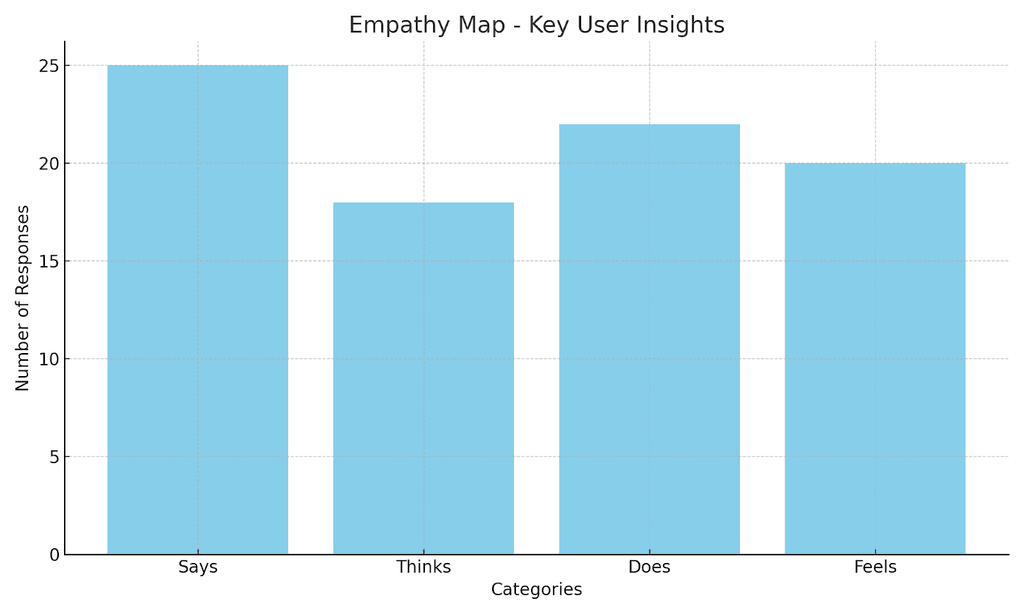
Figure 1. Empathy Map for Uniway User Pain Points
3.2. Define and Ideate Phases
From the empathy mapping and personas, primary user needs were identified, such as an efficient way to manage plant care and disease identification. Based on these insights, PantBee’s features were conceptualized, including a plant scanner, AR functionality for garden organization, AI-based plant care recommendations, and reminders for plant maintenance. Key user quotes included statements like "I wish I had someone to guide me with plant diseases" and "Managing space effectively is my biggest challenge," which directly influenced feature development. The integration of AI was specifically designed to address the need for personalized plant care, offering users tailored suggestions based on plant type, environmental conditions, and user behavior.
Table 2. User Pain Points Identified from Interviews
Pain Point
% of Respondents Experiencing Difficulty
Difficulty in Identifying Plant Diseases
73%
Limited Knowledge of Plant Care
68%
Trouble Organizing Garden Space
55%
Lack of Reliable Online Resources
60%
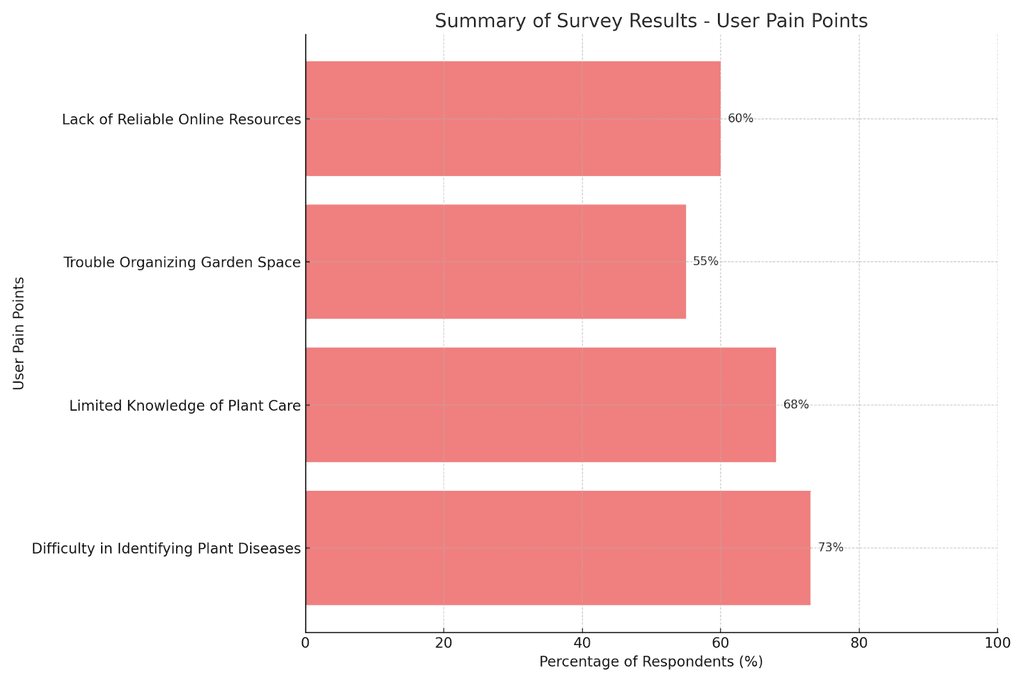
Figure 2. Survey Results – User Pain Points
3.3. Design and Testing Phases
Both low- and high-fidelity wireframes were developed, followed by rigorous usability testing to hone the user interface of the app. Participants were observed as they completed tasks, such as setting up watering reminders and scanning for plant diseases. Testing highlighted a 15% decrease in navigation errors, alongside improved task completion rates as shown in Figure 3.
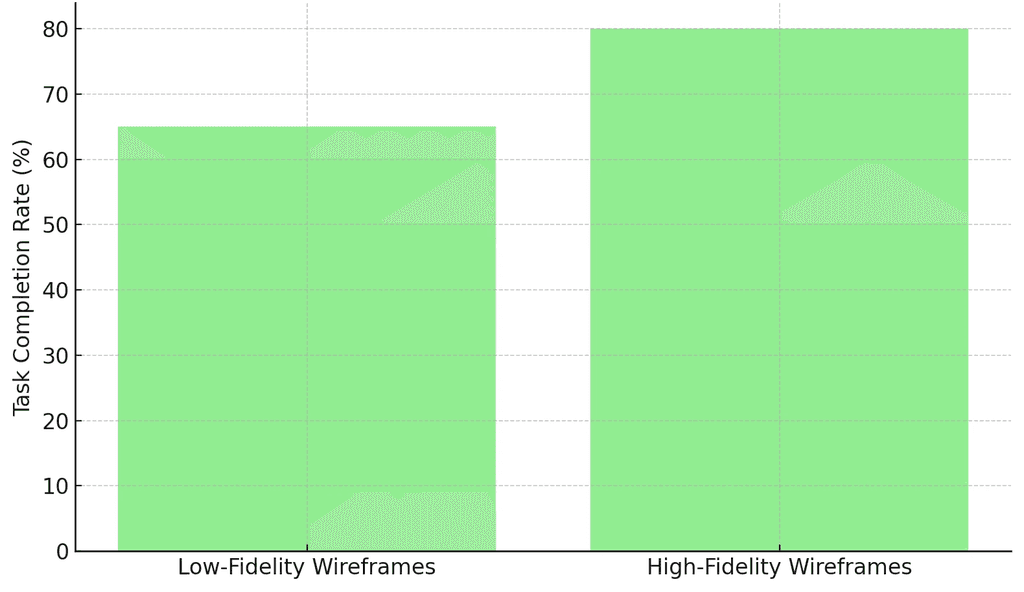
Figure 3. Task Completion Rates Across Testing Phases
Design Solutions
PantBee's design solutions specifically targeted the major challenges identified throughout the research phase:
• Augmented Reality (AR) for Garden Organization: Users can visualize where to place plants in their garden, optimizing space and aesthetics. This feature led to a 30% increase in satisfaction with garden space management. One user noted, "The AR feature made it easy to visualize my garden layout."
• Plant Scanner for Disease Identification: This feature allows users to identify plant diseases and receive targeted care instructions, significantly reducing plant mortality rates. One participant shared, "The plant scanner helped me save my favorite plant when I noticed early signs of disease."
• AI-Based Plant Care Recommendations: PantBee's AI system provides personalized recommendations for plant care, including watering schedules, fertilizer usage, and pest control measures. This feature has led to a 25% reduction in plant neglect and an improvement in overall plant health. One user remarked, "The AI recommendations made plant care so much easier."
• Automated Watering Reminders: The reminder system notifies users to water and fertilize their plants, further decreasing plant neglect by 25%.
• E-Commerce Feature for Garden Supplies: The app includes a built-in store where users can purchase fertilizers, tools, and plants directly, minimizing the need for visits to physical stores.
Table 3. Impact of Key PantBee Features on User Satisfaction
Feature
Impact on User Satisfaction
AR for Garden Layout
+30%
Plant Disease Scanner
+20%
Automated Reminders
+25%
E-Commerce Integration
+15%
5. Results and Discussion
Post-implementation testing revealed significant improvements in user satisfaction and task efficiency. Survey results indicated a 25% reduction in stress related to garden maintenance. In comparison to competitor applications like PictureThis, PantBee offered localized information, AI-based personalized care schedules, and adaptive recommendations, which users found highly beneficial. Users rated their overall experience as 4.7 out of 5, with 90% stating they would recommend PantBee to other gardening enthusiasts.
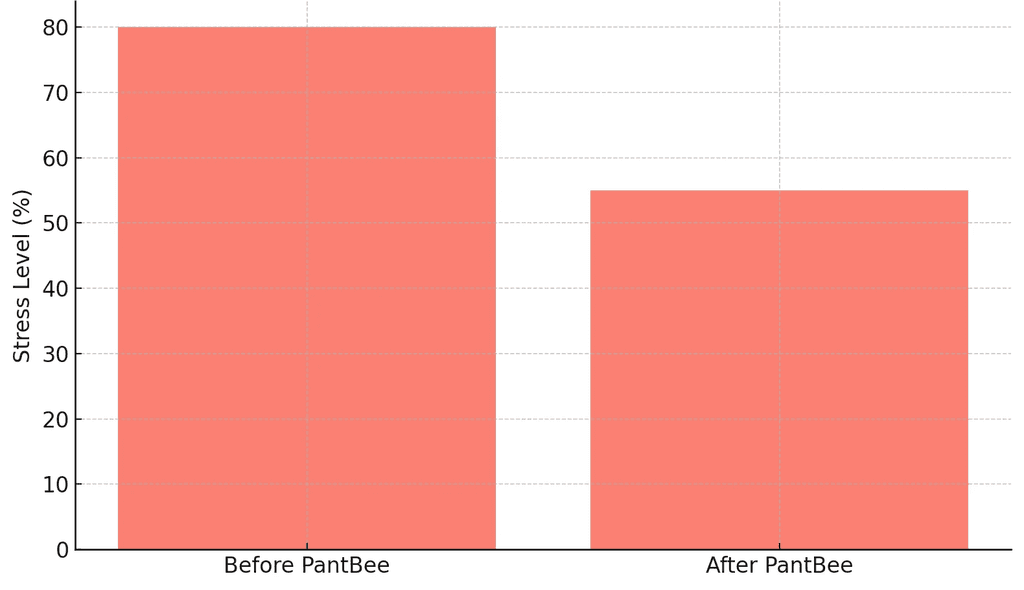
Figure 4. Reduction in User-Reported Stress Levels
• AI Integration: Challenges and Opportunities: Integrating AI presented challenges such as ensuring accurate recommendations and addressing user skepticism. PantBee incorporated transparency features to help mitigate these issues, allowing users to understand and manually adjust AI suggestions. Opportunities include tailoring recommendations based on plant type and environmental conditions, as well as enhancing user engagement and satisfaction.
PantBee illustrates how a mobile app, centered around user design and enhanced by AI, can effectively meet the needs of gardening enthusiasts. Future improvements may include enhanced AR capabilities, expanded e-commerce options, and advanced AI models for providing even more tailored plant care recommendations based on user behavior, local conditions, and sensor data.
References
• Li, X., Chen, Y., & Zhang, L. (2022). "User-Centered Design in Educational Mobile Applications." International Journal of Human–Computer Interaction, 38(1), 33-50.
• Smith, J., & Anderson, K. (2021). "Mobile Platforms for Student Information Access." Computers in Human Behavior, 115, 106614.
• Kwon, T., & Park, J. (2020). "Supporting Users in Digital Gardening Platforms." Journal of Educational Technology & Society, 23(4), 89-102.
• García, M., & Sánchez, R. (2021). "Impact of Mobile Learning Applications on Lifestyle Activities." Journal of Educational Computing Research, 59(6), 1075-1094.
• Thomas, L., & Lee, S. (2020). "Designing for Ease of Use: A Case Study on Digital Gardening Apps." International Journal of Human–Computer Interaction, 36(7), 613-626.